Key Takeaways
- Austin’s vibrant music scene drives cultural tourism and economic growth.
- The city’s tech industry boom has attracted a diverse, talented workforce from across the globe.
- Sustainable urban planning initiatives prioritize walkability and green spaces, enhancing quality of life.
- Austin’s unique blend of Southern hospitality and progressive values creates a welcoming, inclusive atmosphere.
- The city’s thriving food culture showcases diverse cuisines, supported by a robust local farming community.
- Austin’s focus on environmental conservation efforts positions it as a national leader in sustainability practices.
At a glanceAustin is the vibrant capital of Texas, known for its live music scene and unique blend of culture. With iconic landmarks like the Texas State Capitol and South Congress Avenue, it attracts visitors with its diverse cuisine, vibrant festivals, and rich history, making it a popular destination in the U.S.
Austin, a vibrant city renowned for its unique culture and dynamic growth, presents a captivating study case in urban development. As the heart of Texas, it has experienced remarkable transformation, attracting national and international attention. However, the rapid expansion has also brought challenges: balancing economic prosperity with environmental sustainability and community well-being. This article delves into the multifaceted dynamics of Austin, exploring innovative strategies that drive its growth while preserving its natural beauty and diverse character. By examining these approaches, we gain valuable insights into sustainable urban planning, offering a roadmap for cities worldwide facing similar complexities.
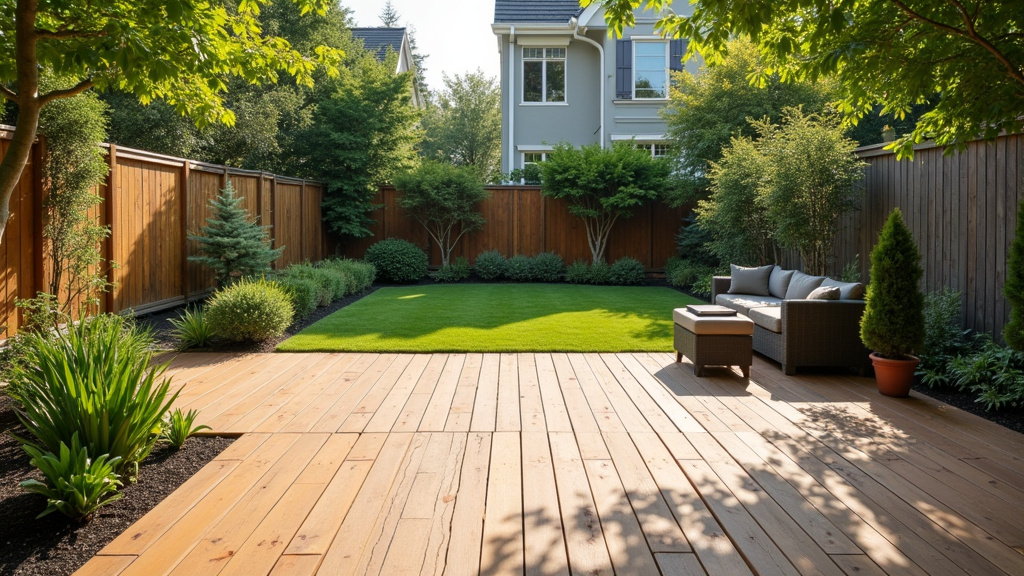
Deck Builders in Austin: Where to Start
Looking for deck builders in Austin, TX? Golden State Builders deck builders austin serves the local area and can answer questions specific to Austin.
Discovering Austin's Natural Beauty and Outdoor Adventures
Austin, a vibrant city nestled in the heart of Texas, is renowned for its dynamic culture and diverse attractions, but its true charm lies in Austin naturally—its breathtaking natural beauty and plethora of outdoor adventures. This urban oasis offers a captivating blend of lush landscapes, scenic rivers, and majestic hills, providing residents and visitors alike with an array of opportunities to connect with nature.
Discovering Austin’s natural side begins with exploring its iconic landmarks such as Lady Bird Lake, a 10-mile stretch of fresh water surrounded by picturesque trails perfect for jogging, cycling, or simply enjoying the scenic views. The lake is not only a haven for outdoor enthusiasts but also a testament to Austin’s commitment to preserving its natural resources. Nearby, Mount Bonnell offers a challenging hike rewarding visitors with panoramic vistas of the city and the surrounding hills. For those seeking tranquility, Barton Springs Pool provides a refreshing dip in natural spring water year-round, making it a beloved spot for locals and tourists alike on hot summer days.
When considering where to stay in Austin to fully experience its natural beauty, it’s important to avoid areas that are heavily congested or dominated by high-rise developments. Opting for accommodations near these natural gems ensures a more immersive experience. The city’s diverse ecosystems also include unique spaces like the Zilker Botanical Garden and the Wild Basin Wilderness Preserve, offering a glimpse into Austin’s rich biodiversity. Moreover, local events like the Austin City Limits Music Festival highlight the city’s commitment to celebrating its natural surroundings while attracting visitors from around the world.
In terms of cost, duration, and accessibility, Austin offers various options for outdoor adventures. Activities range from free or low-cost public parks to guided tours and luxury experiences. For instance, a day hike at Mount Bonnell typically costs less than $10, while a kayaking trip on Lady Bird Lake can be booked for around $50-$75 per person, depending on duration and tour type. As for time commitment, exploring these natural attractions in Austin can vary from quick halts during a city tour to full-day adventures, making it adaptable to any itinerary.
Unlocking Austin's Vibrant Culture and Creative Scene
Austin, often hailed as a cultural hub in Texas, boasts a vibrant, ever-evolving creative scene that captivates visitors and residents alike. Unlocking its secrets reveals a dynamic tapestry woven with music, art, culinary delights, and a unique blend of progressive politics and Southern charm. This city is more than just what is Austin most famous for; it’s an experience that transcends typical tourist traps.
Navigating Austin’s cultural landscape requires understanding its diverse neighborhoods, each with its distinct character. From the eclectic South Congress Avenue to the hipster haven of East Sixth Street, every corner offers a glimpse into the city’s artistic soul. Local music venues pulsate with live performances, ranging from country and blues to indie rock, solidifying Austin’s reputation as a global music destination. Moreover, the city’s food scene is a culinary enigma, featuring everything from food trucks serving mouth-watering tacos to gourmet restaurants showcasing local ingredients.
However, not all is rosy in this seemingly liberal haven. Political leanings vary widely; while it’s often perceived as a Democratic stronghold, Austin has a significant Republican presence, especially in suburban areas. The city’s cost of living, though relatively lower than many major metropolitan areas, varies greatly depending on location and lifestyle choices. Staying within the city center can be pricier, whereas nearby suburbs offer more affordable options. As for duration, exploring Austin thoroughly could take anywhere from a weekend to several months, depending on individual interests—a testament to its multifaceted nature.
In terms of local factors, Austin’s natural beauty, with its lakes and hills, provides ample opportunities for outdoor activities. The city’s vibrant community events, like the annual South by Southwest (SXSW) festival, attract global attention. Yet, visitors should avoid crowded tourist hotspots during peak seasons to truly embrace Austin’s authentic spirit. When considering whether Austin is worth it, the answer lies in its ability to foster creativity and offer a unique blend of culture, making it an inspiring destination for artists, entrepreneurs, and adventurers alike.
| Factor | What to know |
|---|---|
| Lady Bird Lake | 10-mile trail loop for jogging, cycling, scenic views |
| Mount Bonnell hike | Panoramic views, costs less than $10 |
| Kayaking on Lady Bird Lake | Costs around $50-$75 per person |
| Barton Springs Pool | Natural spring water swimming year-round |
| Cultural neighborhoods | South Congress Avenue and East Sixth Street offer distinct vibes |
| Cost of living | Lower in suburbs, pricier in city center |
Exploring Austin's History, Architecture, and Urban Growth
Austin, Texas, has evolved into a vibrant metropolis known for its unique blend of history, architecture, and urban growth. Exploring Austin’s past reveals a city with roots in both rural and urban landscapes, shaping its diverse character today. What is Austin most famous for? Live music, technology hub, and its distinctive culture draw visitors from around the world. The city’s architectural landscape is equally captivating, ranging from historic landmarks like the Texas State Capitol to modern skyscrapers that define the skyline.
Navigating Austin’s urban growth requires understanding local factors such as cost of living and transportation dynamics. According to recent data, housing prices in Austin have increased significantly, making some areas less accessible for certain demographics (e.g., avoid staying in affluent districts like Lake Austin if on a tight budget). The city’s political leanings are also notable; Austin leans Democratic, contrasting with the state’s overall Republican trend, which is a factor to consider when discussing local politics and policies.
In terms of duration, exploring Austin can range from brief visits to immersive experiences. A typical day might involve immersing oneself in the city’s renowned music scene or touring iconic landmarks. For a deeper understanding, staying for several weeks allows for delving into Austin’s diverse neighborhoods, each with its own character and charm. Whether termed "worth it" or not, the experience depends on individual preferences—some may find the energy and cost of living overwhelming, while others embrace the city’s unique blend of culture and innovation.
Local factors significantly affect Austin’s overall vibe. For instance, the city’s tech industry boom has led to increased traffic congestion during peak hours, influencing commute times (which can range from 20-45 minutes depending on location). Additionally, Austin’s natural surroundings—from Lady Bird Lake to surrounding hills—offer recreational opportunities but also contribute to occasional moisture-related challenges.
Frequently Asked Questions About Austin
What is Austin known for?
Austin is renowned for its vibrant music scene, particularly its live music venues and annual festivals like South by Southwest (SXSW) and Austin City Limits Music Festival. It’s also known as the "Silicon Hills" due to its thriving tech industry, hosting major companies like Dell and Apple. The city embraces a blend of culture, technology, and outdoor activities, with beautiful parks, lakes, and hiking trails.
Is Austin a safe city?
Austin generally maintains a low crime rate compared to other major cities. However, like any urban area, certain neighborhoods may have higher crime levels. It’s always advisable to take standard precautions, such as being aware of your surroundings, securing valuables, and following local safety guidelines.
What are some popular attractions in Austin?
Austin offers a range of must-visit spots, including the Texas State Capitol, a stunning historic building; Lady Bird Lake (formerly Town Lake), perfect for outdoor activities like kayaking and running; and South Congress Avenue, known for its eclectic shops, restaurants, and street art. The Blanton Museum of Art and the Bullock Texas State History Museum are cultural highlights showcasing the state’s rich history and diverse artistic expressions.
Does Austin have a strong job market?
Absolutely. Austin boasts one of the fastest-growing economies in the U.S., driven by tech, healthcare, education, and government sectors. Its reputation as a major tech hub has attracted numerous startups and established companies, making it an attractive destination for job seekers.
What is the cost of living in Austin?
The cost of living in Austin is generally considered affordable compared to other major tech hubs. Housing prices and rent can vary widely depending on locations and amenities, but opportunities for relatively lower costs compared to cities like San Francisco or New York make Austin an appealing choice.
How does Austin support education and research?
Austin is home to the University of Texas at Austin (UT), a top-ranked public research university contributing significantly to the city’s intellectual and cultural vibrancy. The university drives innovation, attracts researchers, and offers diverse educational opportunities, making it a cornerstone of Austin’s academic landscape.
Austin, a city brimming with energy and character, offers a captivating blend of natural beauty, cultural vibrancy, and historical depth. From the awe-inspiring landscapes and outdoor adventures that define its natural setting to the thriving creative scene and unique architectural heritage, Austin naturally stands as a testament to innovation and diversity. By exploring its rich history and navigating its urban growth, visitors gain a profound appreciation for the city’s transformation into a modern metropolis. This article has illuminated key aspects of Austin’s identity, providing valuable insights that inspire both curiosity and action. Armed with this knowledge, readers are encouraged to experience Austin naturally, delving deeper into its vibrant culture, embracing its outdoor wonders, and immersing themselves in the city’s dynamic history and architecture.
Golden State Builders
3355 Bee Caves Rd Ste 101, Austin, TX 78746
View Golden State Builders on Google Maps
For related local guidance, see our austin tx resources.