At a glanceAustin is the vibrant capital of Texas, known for its live music scene and unique culture. Nestled along Lady Bird Lake, the city offers beautiful landscapes and a dynamic tapestry of arts, food, and technology, making it a thriving hub for folks from all walks of life.
Key Takeaways
- Austin is known for its vibrant music scene, with over 200 live music venues contributing to its reputation as a musical hub.
- The city’s tech industry is booming, hosting major companies like Dell and IBM, along with numerous startups.
- Austin offers a diverse culinary landscape, boasting over 7,000 restaurants featuring cuisines from around the world.
- With a focus on sustainability, Austin has more than 300 miles of bike lanes and is home to several eco-friendly initiatives.
- The city’s unique culture blends creativity and innovation, attracting talent from across the globe.
- Austin’s beautiful natural surroundings include Lady Bird Lake and Mount Bonnell, offering ample opportunities for outdoor recreation.
- The city hosts major events like South by Southwest (SXSW) and Austin City Limits Music Festival, drawing millions of visitors annually.
Austin, a vibrant hub of culture, technology, and innovation, has become a global spotlight for its dynamic growth and unique blend of urban sophistication and Texas charm. However, with rapid development comes challenges: balancing progress with the city’s natural allure and quality of life. This article delves into the multifaceted landscape of Austin, exploring strategies to preserve its distinctive character while accommodating its burgeoning population. We present a comprehensive solution framework, leveraging sustainable urban planning, community engagement, and tech-driven initiatives to ensure Austin thrives naturally.
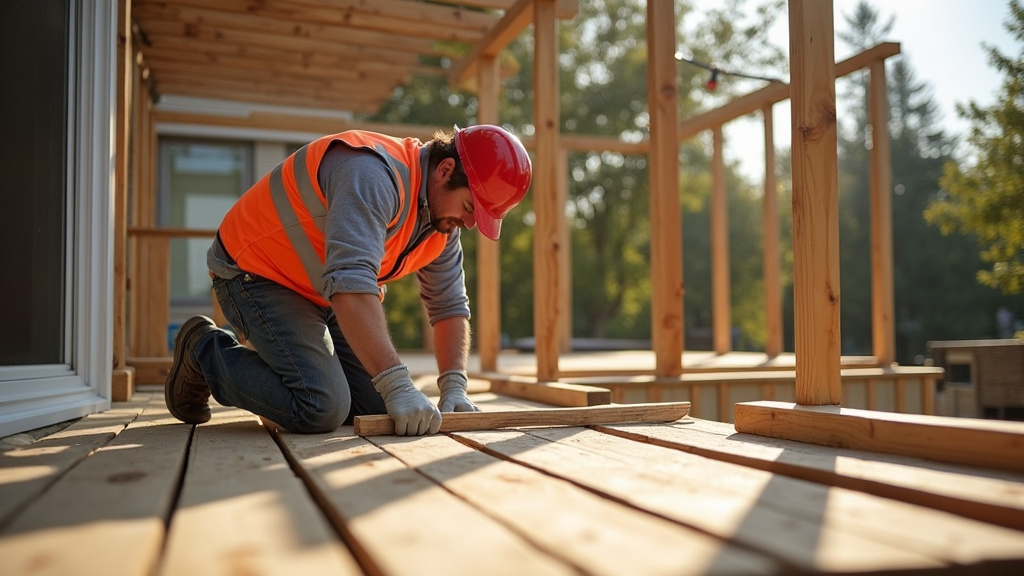
Deck Builders in Austin: Where to Start
Looking for deck builders in Austin, TX? the team at Golden State Builders serves the local area and can answer questions specific to Austin.
Discovering Austin's Natural Beauty and Outdoor Adventures
Austin, Texas, is renowned for its vibrant culture, dynamic music scene, and diverse culinary offerings—but Austin naturally excels in another area: outdoor adventure. This city is surrounded by lush hills, crystal-clear lakes, and rolling forests, offering a plethora of opportunities for nature enthusiasts. From hiking trails that meander through scenic landscapes to kayaking rivers teeming with life, Austin provides an array of experiences that showcase its natural beauty.
One of the most iconic outdoor destinations in Austin is Mount Bonnell, which offers breathtaking panoramic views of Lake Austin and the surrounding hills. This 1,056-foot peak is accessible via a moderate hike through the Greenbelt, a network of trails that crisscrosses the city’s natural areas. For water-based adventures, Lady Bird Lake (formerly Town Lake) is a prime spot for kayaking, stand-up paddle boarding, and even sailing. The lake is not only a hub for recreation but also a vital habitat for various species, making it a cherished natural asset in Austin.
When exploring Austin’s natural beauty, it’s essential to consider the best times to visit. Spring (March to May) and autumn (September to November) offer mild temperatures, ideal for outdoor activities. Summer can be hot and humid, while winter is generally mild but prone to occasional cold snaps. Additionally, understanding local factors such as wildlife activity, weather patterns, and plant lifecycles can enhance your experience in Austin naturally.
Accommodation options range from luxurious hotels near the city center to budget-friendly stays nestled among the natural landscapes. To avoid staying in heavily touristic areas, consider looking beyond the downtown core and explore neighborhoods like Barton Springs or Lake Austin, where you’ll find quieter accommodations with easy access to outdoor activities. While Austin leans democratically, its political affiliation doesn’t necessarily dictate your experience of the city’s natural attractions. What truly matters is how much time you’re willing to invest in exploring—Austin’s natural beauty is worth every moment.
Exploring the Culture and Vibrant Heart of Austin
Austin, Texas, is renowned for its vibrant culture that seamlessly blends music, arts, technology, and a laid-back lifestyle. Often referred to as the "Live Music Capital of the World," the city hosts iconic festivals like SXSW and Austin City Limits, attracting artists and enthusiasts from across the globe. Beyond music, Austin’s culinary scene is diverse and dynamic, reflecting its multicultural population with everything from food trucks to Michelin-starred restaurants. The city’s tech industry has also skyrocketed, earning it the nickname "Silicon Hills" and making it a magnet for startups and tech giants alike.
Navigating Austin involves understanding its unique dynamics. While the downtown core buzzes with energy, areas like South Congress and East Austin offer more affordable options and local charm. To avoid the busiest crowds, consider exploring on weekdays or visiting lesser-known spots. Politically, Austin leans democratic, but it’s important to remember that perspectives vary across neighborhoods. The city’s cost of living is relatively higher than many U.S. cities, with housing prices and rent reflecting its thriving economy and desirability. However, diverse income levels contribute to a welcoming atmosphere.
Local factors significantly affect Austin’s rhythm. The hot summers and mild winters provide year-round outdoor experiences, from hiking at Zilker Park to enjoying live music on the Congress Avenue Bridge. However, rapid growth has led to traffic congestion, prompting city initiatives to enhance transportation options. Time in Austin can be well spent through balanced exploration: indulging in local cuisine, immersing yourself in cultural events, and discovering hidden gems. Whether you’re a tech entrepreneur or a music lover, Austin offers an authentic experience that’s worth the visit—and for many, a permanent stay.
| Factor | What to know |
|---|---|
| Live Music Venues | Over 200 venues, earning title Live Music Capital of the World |
| Tech Industry | Hosts Dell, IBM, and many startups; nicknamed Silicon Hills |
| Dining Options | Over 7,000 restaurants offering global cuisines |
| Sustainability | More than 300 miles of bike lanes plus eco-friendly initiatives |
| Outdoor Recreation | Mount Bonnell hike and Lady Bird Lake kayaking/paddle boarding |
| Major Events | SXSW and Austin City Limits draw millions of visitors annually |
Navigating Austin's Growth, Economy, and Future Trends
Austin’s trajectory as a bustling metropolis has been characterized by both rapid growth and strategic economic navigation. The city, known for its vibrant culture, is often asked, "What is Austin most famous for?" From music festivals like South by Southwest (SXSW) to tech innovation hubs along the Domain, Austin has become a global destination. However, this growth presents challenges, particularly in managing urban expansion while preserving its unique character.
Navigating Austin’s future involves understanding local factors that drive its economy and shape its identity. The city’s political leaning is a notable aspect; it leans Democratic, contrasting with the statewide trend in Texas, which is predominantly Republican. This dynamic influences policy decisions and community dynamics. For instance, the city’s emphasis on environmental sustainability and progressive social policies sets it apart within the state. When considering whether Austin is worth visiting or living in, these factors contribute to a distinct urban experience.
Accommodation options are abundant, but where to avoid staying in Austin? Areas like the Far North and West End have seen significant development, attracting tech workers but also leading to higher costs and congestion. In contrast, the East Side and certain parts of South Austin retain more affordable options while offering easy access to amenities. Housing prices in Austin have surged, up by 15% year-over-year as of Q3 2022, according to local real estate data. This rapid increase underscores the city’s desirability but also presents challenges for long-time residents.
The cost of living in Austin is directly tied to its economic health and growth trends. Tech salaries have surged, attracting professionals from across the country, but service industry workers may struggle to keep pace with rising prices. Commute times have lengthened as a result, averaging around 30 minutes during peak hours, according to recent studies. Time in Austin can be efficiently managed by considering local factors: public transportation is expanding, with projects like the MetroRail and bus network improvements, but many residents still rely on cars for daily commutes. Planning trips and understanding traffic patterns can enhance one’s experience in this dynamic city.
Frequently Asked Questions About Austin
What is Austin known for?
Austin is renowned for its vibrant music scene, earning it the nickname "Live Music Capital of the World." It is home to numerous music festivals, including South by Southwest (SXSW) and Austin City Limits. The city also boasts a thriving tech industry, with many major tech companies establishing a presence, contributing to its reputation as a leading tech hub.
Is Austin a safe city?
Austin generally maintains a reputation for being a safe and welcoming city. The Austin Police Department actively works to ensure the security of residents and visitors. However, like any urban area, it’s advisable to remain vigilant, especially in crowded public spaces, and follow basic safety precautions.
What are some popular attractions in Austin?
Austin offers a diverse range of attractions. Visitors often enjoy exploring the Texas State Capitol, strolling along Lady Bird Lake, and visiting the iconic South Congress Avenue (SoCo) for its unique shopping and dining experiences. The city is also known for its delicious food scene, with a variety of cuisines and food trucks.
Does Austin have a good public transportation system?
Austin has invested in a comprehensive public transportation network. The Capital Metropolitan Transportation Authority (CapMetro) operates buses, express routes, and the Light Rail system, providing efficient transportation throughout the city and its surrounding areas.
What is the climate like in Austin?
Austin enjoys a humid subtropical climate with hot summers and mild winters. The city is known for its warm weather, with average temperatures ranging from 65°F (18°C) in winter to 90°F (32°C) in summer. The area experiences occasional extreme weather events, such as hurricanes and tornadoes.
Is Austin a good place to start a business?
Absolutely. Austin is recognized as a thriving business hub, offering a supportive environment for startups and small businesses. The city provides various incentives and resources for entrepreneurs, including tax benefits, a robust talent pool, and a strong tech ecosystem.
What are the job opportunities like in Austin?
Austin offers a wide range of job opportunities across various sectors. The city’s booming tech industry, along with healthcare, education, and tourism, provides ample career paths. Many multinational corporations have chosen Austin as their home, creating a diverse and competitive job market.
Austin’s allure lies not just in its vibrant culture or dynamic economy, but in the harmonious blend of these elements with its stunning natural beauty. From the adventurous outdoor escapades offered by its diverse landscapes to the cultural richness that thrives in its bustling heart, Austin naturally stands as a unique and captivating metropolis. Navigating its growth and understanding its future trends reveal a city poised for continued prosperity while retaining its distinctive character. This article has provided valuable insights into each aspect of Austin’s multifaceted identity, equipping readers with a comprehensive understanding of what makes this city truly exceptional.
Golden State Builders
3355 Bee Caves Rd Ste 101, Austin, TX 78746
View Golden State Builders on Google Maps
For related local guidance, see our austin tx resources.