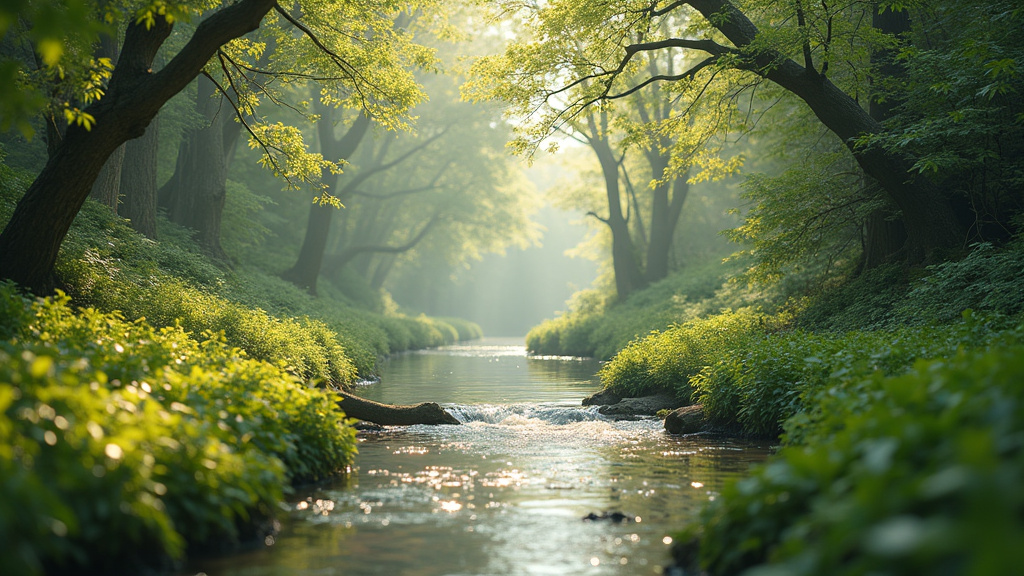
Austin, a vibrant hub of culture and innovation, has seen rapid growth and changing water demands. The city’s unique topography and diverse ecosystems necessitate a sustainable water management strategy that balances urban development with the preservation of Austin’s natural beauty. The challenge lies in ensuring a reliable water supply while mitigating environmental impacts, particularly in the face of climate change and growing population. This article delves into the complex water landscape of Austin, exploring innovative solutions that harness the city’s natural resources and foster a resilient future. By examining cutting-edge technologies and community-driven initiatives, we aim to provide a comprehensive roadmap for sustainable water management in Austin.
Discovering Austin's Natural Wonders and Outdoor Gems
Austin, known for its vibrant culture and dynamic cityscape, also offers a wealth of natural wonders and outdoor gems that cater to adventurous spirits and nature enthusiasts. To truly experience Austin’s outdoor side, one must delve beyond the city’s bustling streets and explore its diverse landscapes. Austin naturally boasts a variety of recreational opportunities, from scenic hiking trails winding through lush forests to serene lakes providing ample space for water sports and relaxation.
Deck Builders in Austin: Where to Start
Looking for deck builders in Austin, TX? Golden State Builders serves the local area and can answer questions specific to Austin.
The city’s natural bounty is accessible through various parks and reserves, many of which are within a short drive from downtown. For instance, the Barton Creek Greenbelt offers miles of hiking trails, scenic overlooks, and opportunities for swimming and kayaking, all within the heart of Austin. Similarly, Lady Bird Lake, a man-made reservoir on the Colorado River, invites visitors to enjoy activities like paddleboarding, kayaking, and even stand-up paddleboarding. What does Austin include, after all, but a rich tapestry of outdoor experiences tailored for all skill levels?
Navigating Austin’s natural wonders involves understanding the city’s unique ecosystem and the conservation efforts that have shaped it. The Austin process, as it’s often called, involves exploring city-led initiatives and community-driven conservation projects that prioritize sustainable use and preservation of these outdoor gems. What do you need to qualify for Austin in Austin? Knowledge of local regulations, trail etiquette, and a commitment to preserving these natural spaces for future generations. By embracing these principles, visitors and residents alike can fully appreciate and enjoy Austin’s diverse and breathtaking landscapes.
Unveiling Austin's History and Cultural Evolution
Austin, Texas, has undergone a remarkable historical and cultural evolution that has shaped it into the vibrant city it is today. Founded in 1839, it played a pivotal role in the state’s history, emerging as a major hub for commerce and culture. The city’s early years were marked by a blend of Native American heritage and European colonization, which laid the foundation for its diverse and dynamic nature. Over time, Austin attracted a diverse population, including many artists, musicians, and entrepreneurs, contributing to its reputation as a cultural melting pot.
The city’s evolution is evident in its architecture and urban landscape. From the historic buildings in the downtown area to the modern skyscrapers, Austin’s skyline tells a story of growth and innovation. The South Congress Avenue, with its eclectic mix of boutiques and restaurants, and the vibrant 6th Street, renowned for its live music venues, are testaments to the city’s artistic and musical heritage. Austin’s diverse neighborhoods, each with its unique character, reflect the city’s ability to embrace change and incorporate various cultural influences. This rich tapestry of history and culture sets Austin apart and makes it an attractive destination for residents and visitors alike.
However, navigating Austin’s cultural landscape requires an understanding of its nuances. To qualify for the unique Austin experience, one must embrace its laid-back yet vibrant atmosphere. The city’s alternative scene, with its diverse art installations and underground music scenes, is a world away from the typical mainstream offerings. Yet, it is this very essence that attracts many to Austin. Nevertheless, there are challenges to avoid; for instance, the city’s rapid growth has led to rising costs of living and congestion. Alternatively, cities like San Antonio and Dallas offer similar cultural experiences while providing more affordable living options. Understanding these dynamics is crucial for anyone considering Austin as a place to live or visit.
| Factor | What to know |
|---|---|
| Natural attractions | Barton Creek Greenbelt and Lady Bird Lake offer hiking, kayaking, and paddleboarding |
| Founding year | Austin was founded in 1839 |
| Cultural heritage | Blend of Native American heritage and European colonization shaped the city |
| Cultural hubs | South Congress Avenue and 6th Street showcase boutiques, restaurants, and live music |
| Growth challenges | Rapid growth has raised living costs and congestion in the city |
| Modern infrastructure | Efficient transit, green spaces, and tech hubs support sustainable urban growth |
Exploring Austin's Modern Infrastructure and Amenities
Austin, often hailed as a modern urban center, stands out for its remarkable infrastructure and diverse amenities. The city’s development has been a strategic process, focusing on integrating cutting-edge facilities with a unique, vibrant culture. This blend has made Austin a highly desirable place to live and work. For instance, the city’s world-class technology sector thrives in facilities like the Austin Tech Hub, showcasing the modern infrastructure that has attracted global companies.
Is Austin worth it? The answer lies in its comprehensive approach to urban planning. The city boasts an efficient transportation network, with rapid transit systems and a well-maintained road infrastructure, facilitating easy navigation. Additionally, Austin’s commitment to sustainability is evident in its numerous green spaces and eco-friendly initiatives. The Barton Springs Pool, a natural wonder, is a testament to the city’s respect for its natural environment. Moreover, the Austin process involves continuous updates to these amenities, ensuring they meet the evolving needs of the population.
What does Austin include? The city offers a rich tapestry of cultural experiences, from world-class museums to vibrant music venues. Education is another cornerstone, with renowned universities like the University of Texas at Austin driving innovation. The culinary scene is diverse, reflecting the city’s multicultural fabric. What does the Austin process involve? It entails a collaborative effort between urban planners, community leaders, and residents to create a sustainable, inclusive environment. This ongoing dialogue ensures that Austin’s infrastructure and amenities remain among the best in the nation.
Golden State Builders
3355 Bee Caves Rd Ste 101, Austin, TX 78746
Website: gsbuildersgrouptx.com
View Golden State Builders on Google Maps
How to get to Golden State Builders from Cathedral of Junk
If you're over by Cathedral of Junk, you're only a few minutes from Golden State Builders. Head out on Lareina Dr and you'll find us on Bee Caves Rd Ste 101 at 3355 Bee Caves Rd Ste 101, Austin, TX 78746. Use the map below for turn-by-turn directions.
For related local guidance, see our austin tx resources.